Bicycle Museum Of America Full Of Fascinating History

The Bicycle Museum of America has all sorts of interesting rides. Photo: From Bike Radar.

 It could be time for a visit to New Bremen Ohio. Yes, Ohio, the world’s largest parking lot.

Why? Because that’s where the Bicycle Museum of America is located and it looks like it would be worth the trip.

The collection of bicycles and bicycle nostalgia was once housed at the Navy Pier in Chicago, according to a story on the Bike Radar blog today. What was 100 pieces has grown to 300 and the heart of the collection is an original assortment of Schwinn bicycles.

But the display also includes high-wheels, folding bikes and even an electric bike. Read more: Bicycle Museum Of America  Fascinating History

Posted in Uncategorized | Tagged , , , , , | Leave a comment

Feds duck controversy, restore prize for stamp art to 6-year-old girl

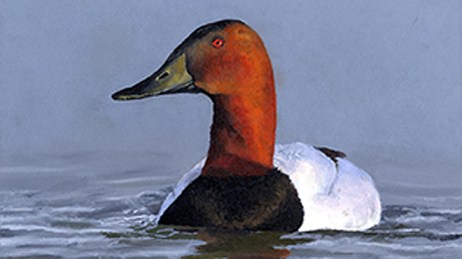
Six-year-old Madison Grimm, of South Dakota, has been reinstated as the 2013 Federal Junior Duck Stamp champion in the annual art contest held by the US. Fish and Wildlife Service.

Her oil painting of a canvasback duck was chosen from 29,000 contest entries. FWS announced Grimm’s win on April 19, but soon disqualified her from the contest because she was alleged to have used  an illegal transfer method, according to a story from Fox News today.

The FWS announced in a May 2 press release its decision to reinstate Madison as the contest winner and apologized for any distress the decisions caused. Hmmm.

Read more: Feds restore prize to 6-year-old girl

Posted in Uncategorized | Tagged , , , , | Leave a comment

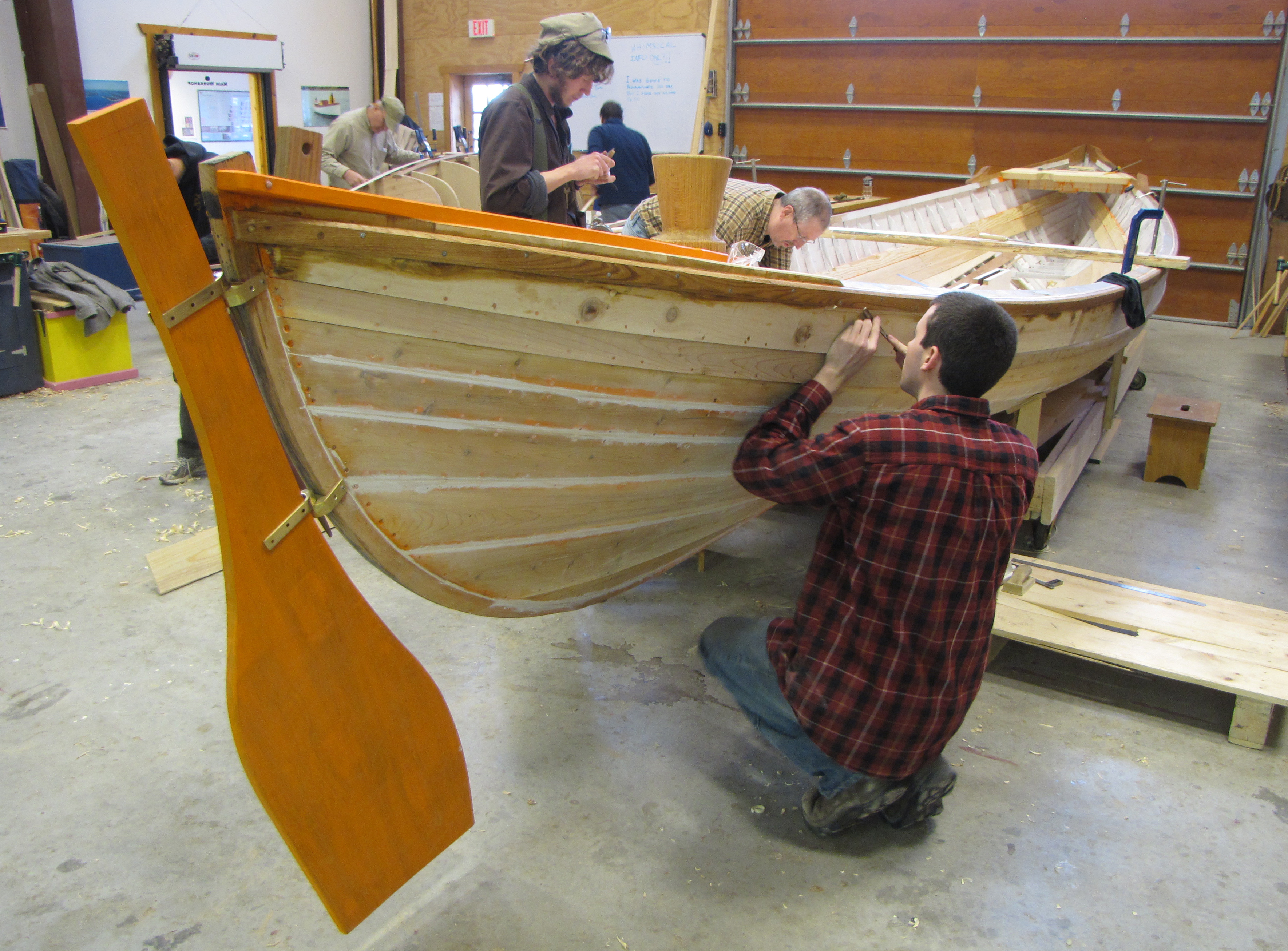
Building a whaleboat: Students tackle unusual project at Upper Peninsula boat building school

Great Lakes Boat Building School students work on one of seven authentic whaleboat replicas that will launch with the Charles W. Morgan this summer. Photo: Courtesy Great Lakes Boat Building School

Great Lakes Boat Building School students work on one of seven authentic whaleboat replicas that will launch with the Charles W. Morgan this summer. Photo: Courtesy Great Lakes Boat Building School

By Howard Meyerson

CEDARVILLE, MI — We don’t hear much about whaling in the Great Lakes, but that’s the talk in this quaint northern Lake Huron town. Whaling and whaleboats have become a popular topic. The Great Lakes Boat Building School here is building one.

Whaleboats were once the workhorses of great wooden whaling ships. Six crew-members would climb down into them and row or sail off to harpoon a whale and kill it so it could be processed. Whales, in that era, were a source of oil for lubrication and illumination.

The near 30-foot whaleboats were roughly constructed vessels, but seaworthy and tough. They had to be given the conditions they operated in, needing at times to withstand being towed by a determined whale. They were double-ended designs, meaning pointed at each end, so they could be rowed forwards or backwards in a hurry as the situation required.

“The project is a once in a lifetime opportunity for our students,” said Pat Mahon, GLBBS lead instructor. “There won’t be many whaleboats built in the future.”

Mahon’s students are building one of seven traditional whaleboats commissioned by

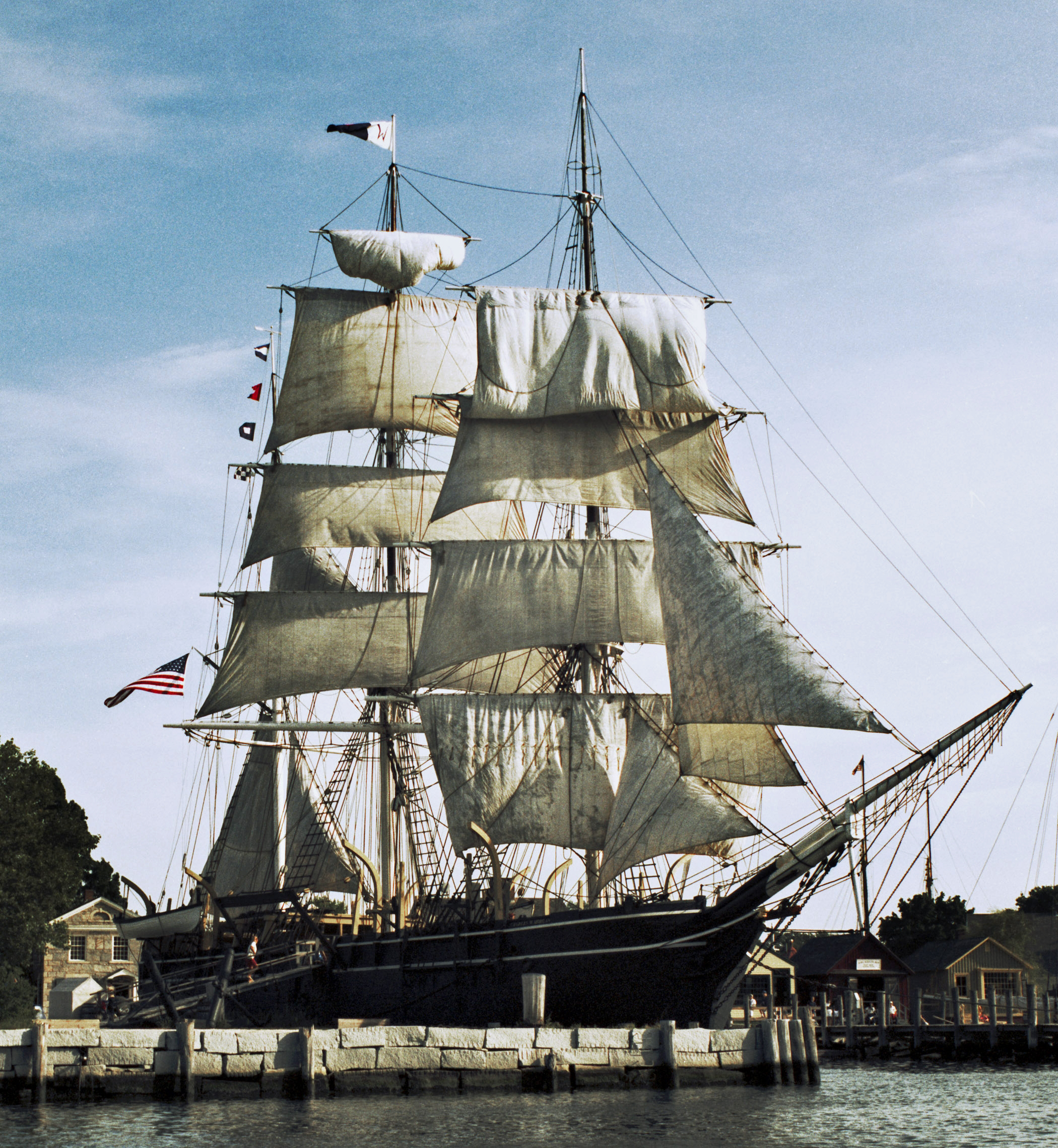
The last of the wooden whaling ships, the Charles W. Morgan berthed at Mystic Seaport Connecticut. Photo: Courtesy of Mystic Seaport.

The last of the wooden whaling ships, the Charles W. Morgan berthed at Mystic Seaport Connecticut. Photo: Courtesy of Mystic Seaport.

Connecticut’s Mystic Seaport Museum, mysticseaport.org, one of the nation’s premier maritime museums. That museum is home to 133-foot Charles W. Morgan, the last of the wooden whaling ships.

The Morgan was launched in 1841 in New Bedford, Massachusetts. Mystic Seaport Museum staff are restoring the 163-year old ship. They plan to launch her again this summer complete with a fleet of whaleboats. Continue reading

Posted in Uncategorized | Tagged , , , , , , , , , , | 1 Comment

Michigan’s Top Birder: Adam Byrne

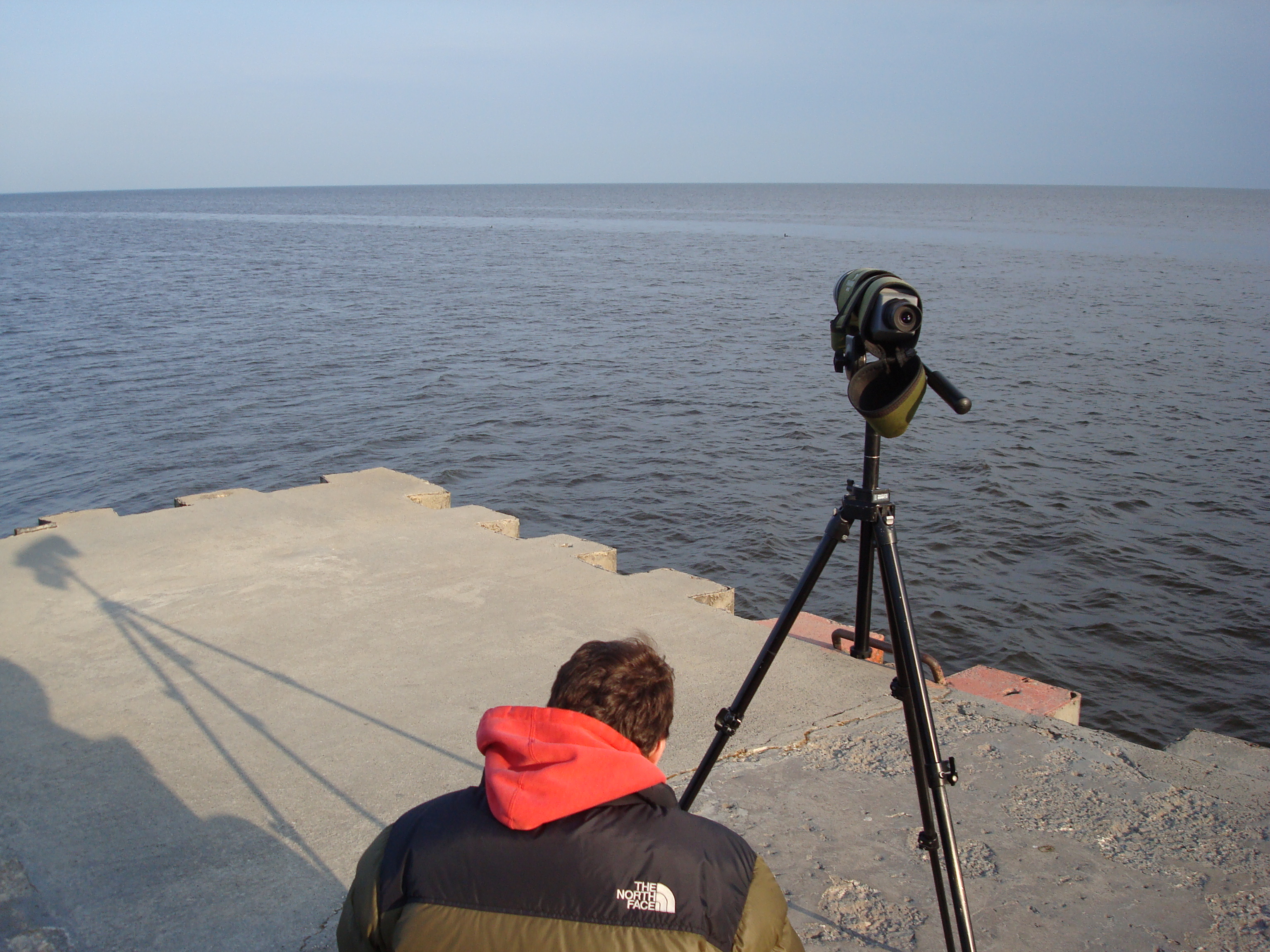
The view that most birders see of Adam Byrne; the state's leading eBirder concentrating on finding the next rare bird. Photo: Caleb Putnam

The view that most birders see of Adam Byrne; the state’s leading eBirder concentrating on finding the next rare bird. Photo: Caleb Putnam

By Howard Meyerson

Adam Byrne has ruffled a few feathers over the years. The 42 year old secretary for the Michigan Bird Records Committee has had to say ‘No’ to more than one birder submitting a sighting to the committee of experts that vets them.

Their documentation has sometimes been lacking, he said. And as a result, it doesn’t get listed, often to the dismay of an indignant birdwatcher.

“People see it as a judgment thing,” said Byrne, who chaired the committee for several years. “It’s ‘How dare you question what I saw.’

“But, that’s not what we are doing. I’ve taken the brunt of it for the records committee, but I’m not losing sleep over it either.”

Focused, hard-working, and keen-on-accuracy are all terms that describe Byrne who

Adam Byrne is both a dedicated birder and family man. Photo: Lindsey O'Neil Bouhana

Adam Byrne is both a dedicated birder and family man. Photo: Lindsey O’Neil Bouhana

lives in DeWitt with his wife Jan and their three children.  He is the chairman of the research committee for Whitefish Point Bird Observatory and the Michigan eBird reviewer, in essence the gatekeeper for Michigan submissions to the international data base managed by the Cornell Laboratory of Ornithology in Ithaca, NY.

Byrne’s friends and colleagues know him as a bird “chaser.” It is not unusual for Byrne and others to pile into a van at a moment’s notice and then drive all night to see an unusual species reported in the western Upper Peninsula.

His Michigan list of bird sightings has 398 species out of 444 known in the state. It is the longest list on record. Byrne also holds the Michigan Big Year Record, having sighted 329 bird species in 2005.

“He’s a controversial guy,” said Caleb Putnam, the Michigan Important Bird Areas coordinator and a personal friend. The two have spent many days bird watching together. “What he really cares about is that the ornithological archives are really accurate. And he’s as qualified a person as we have in the state.

“No one would put as much effort into it as Adam.  But he takes a hardline approach and that sometimes rubs people the wrong way.” Continue reading

Posted in Uncategorized | Tagged , , , , , , , , , | 1 Comment

Michigan trout fishing lodges full of character, history

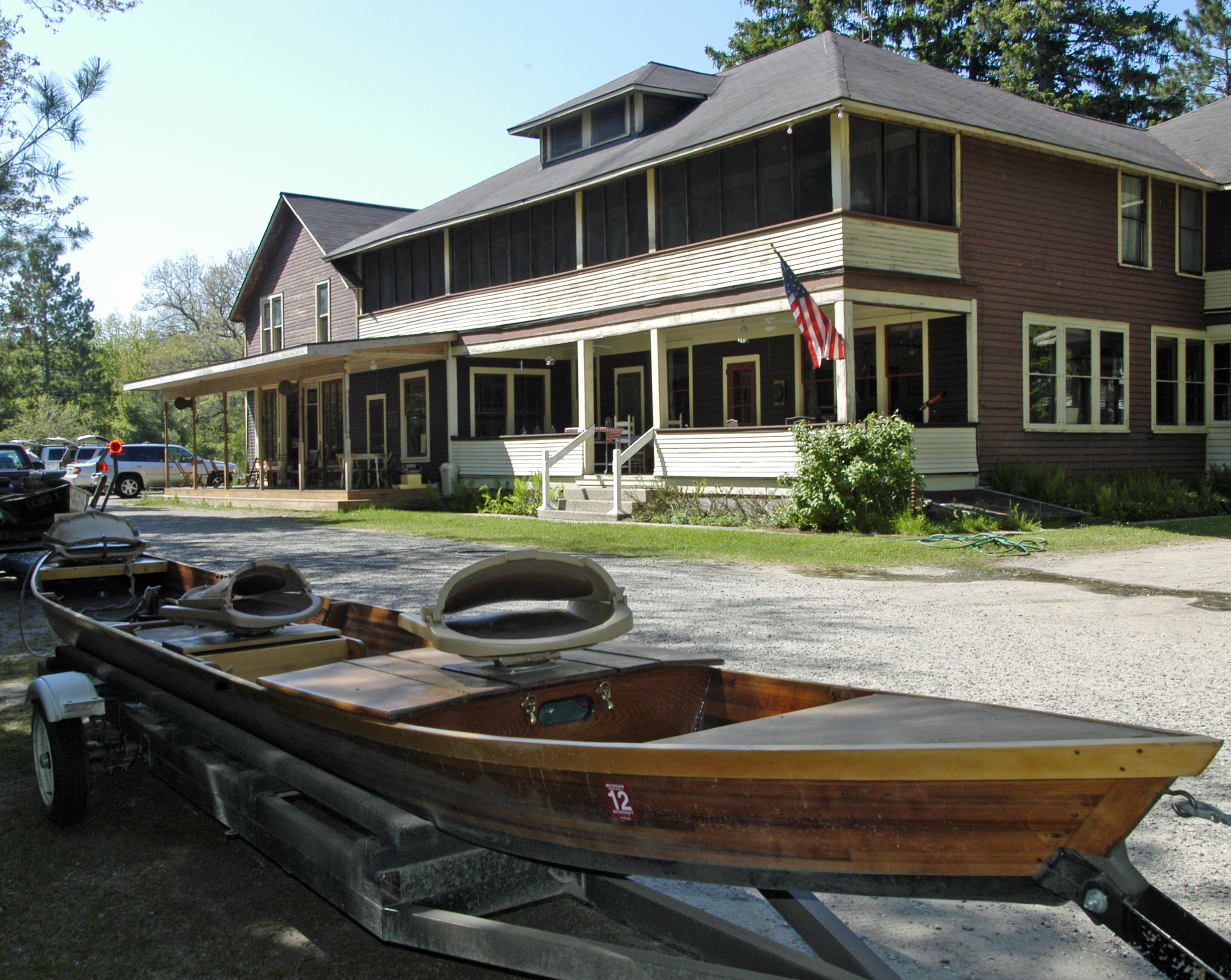
The historic Fuller's North Branch Outing Club in Lovells offers anglers a restful place to stay, complete with meals, a fly shop and guide services. Anglers spend the day fishing in classic AuSable River boats. Photo: Howard Meyerson

The historic Fuller’s North Branch Outing Club in Lovells offers anglers a restful place to stay, meals, a fly shop and guide services. Anglers fish in classic AuSable River boats. Photo: Howard Meyerson

By Howard Meyerson

LOVELLS, MI — Maybe you are looking for something new, a different way to enjoy the trout fishing season that opened Saturday. Michigan trout fishing history is rich with stories of bygone days, back when lumbering was in its heyday, when people took trains north from the cities to fish and when grayling swam in northern Michigan streams.

The lore of one classic Michigan trout stream, the AuSable River, is alive and well in the town of Lovells — population 626 — home to the Lovells Museum of Trout Fishing History. Make a stop there, and you can get an eyeful of this most famous river.

The museum, which features a rod-building display this season, showcases 100 years of life along the north branch of AuSable River. Its storied waters once were the playground for rich and famous industrialists such as Harvey Firestone, Thomas Edison, and Henry and Edsel Ford. The native brook trout and brown trout population still draws anglers from all over the country.

Just this weekend, the little town put on its annual trout season opener festivities. If you

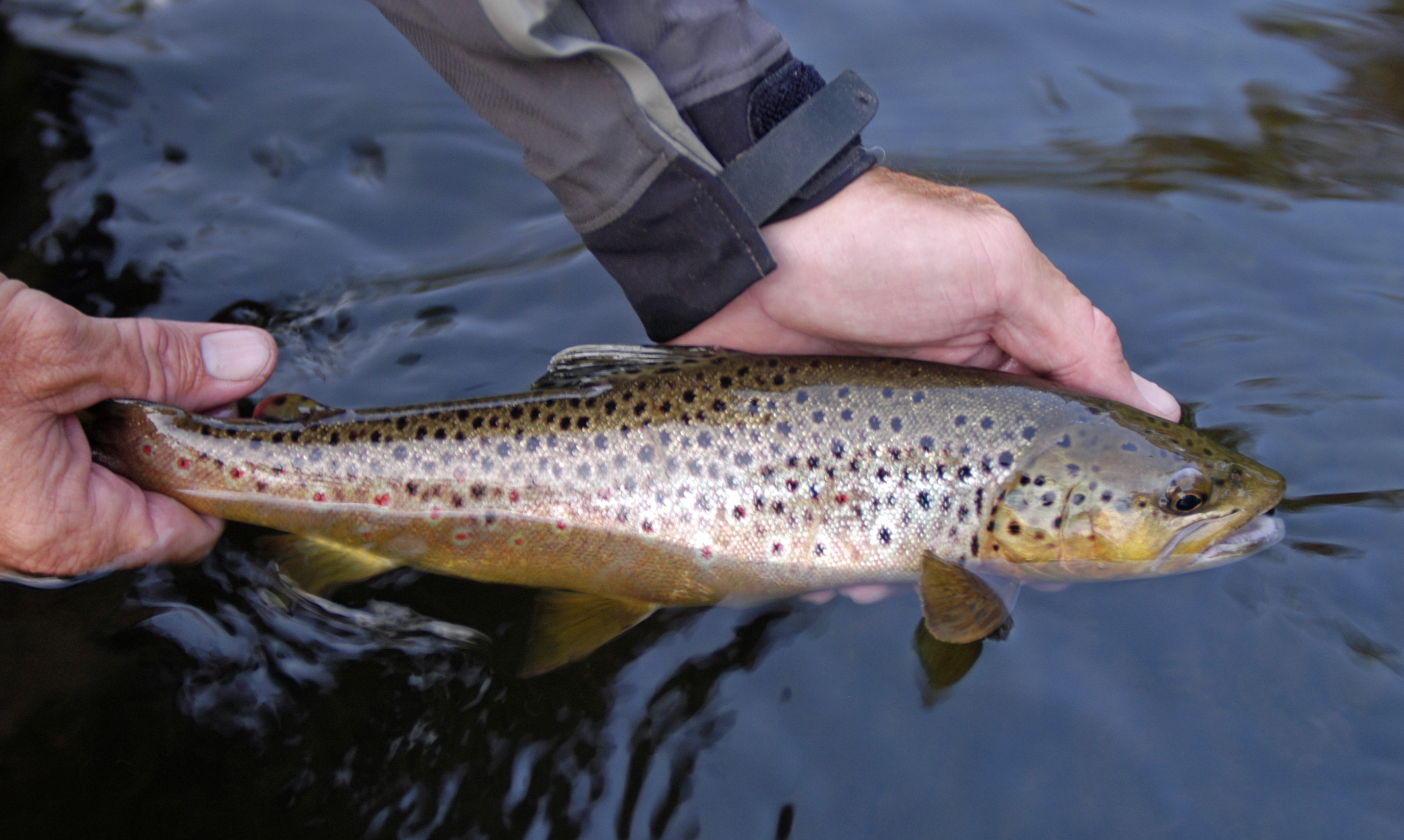
Brig brown trout like this can be found on the AuSable River north branch. Photo: Howard Meyerson

Brig brown trout like this can be found on the AuSable River north branch. Photo: Howard Meyerson

are looking for a cool place to stay, something other than a cheap motel or dusty campsite along a river, you might consider treating yourself to a stay at Fuller’s North Branch Outing Club also in Lovells.

NBOC is an early 20th-century inn that has been converted into a bed and breakfast for anglers and others. It’s a visit you won’t forget.

“I have people here from all over,” said Judy Fuller, the proprietor. “They come because it is the north branch, one of the top trout streams in the nation. It’s on their bucket list, and they want to fish it.” Continue reading

Posted in Uncategorized | Tagged , , , , , , , , , , | 4 Comments

South Dakota girl disqualified, national duck stamp competition

Madison Grimm' works on her artwork. Photo: Emily Spartz, The Argus Leader.

Madison Grimm works on her artwork. Photo: Emily Spartz, The Argus Leader.

Madison Grimm, a six-year-old South Dakota girl who was announced as the US Fish and Wildlife Service winner of its annual junior duck stamp competition, recently got some bad news. Her entry was disqualified.

FWS officials were unavailable for comment, according to a story in The Argus Leader. But Adam Grimm, her father and a professional wildlife artist, said  they told him that she was not allowed to copy any previously published photographs.

Madison used a graphite transfer technique to create her portrait of a canvasback duck. Her father complained that none of his photos had ever been published.

Read more: South Dakota girl disqualified.

Posted in Uncategorized | Tagged , , , , , , | Leave a comment

Wildlife Salvage Permits to go to Wind Turbine Operators

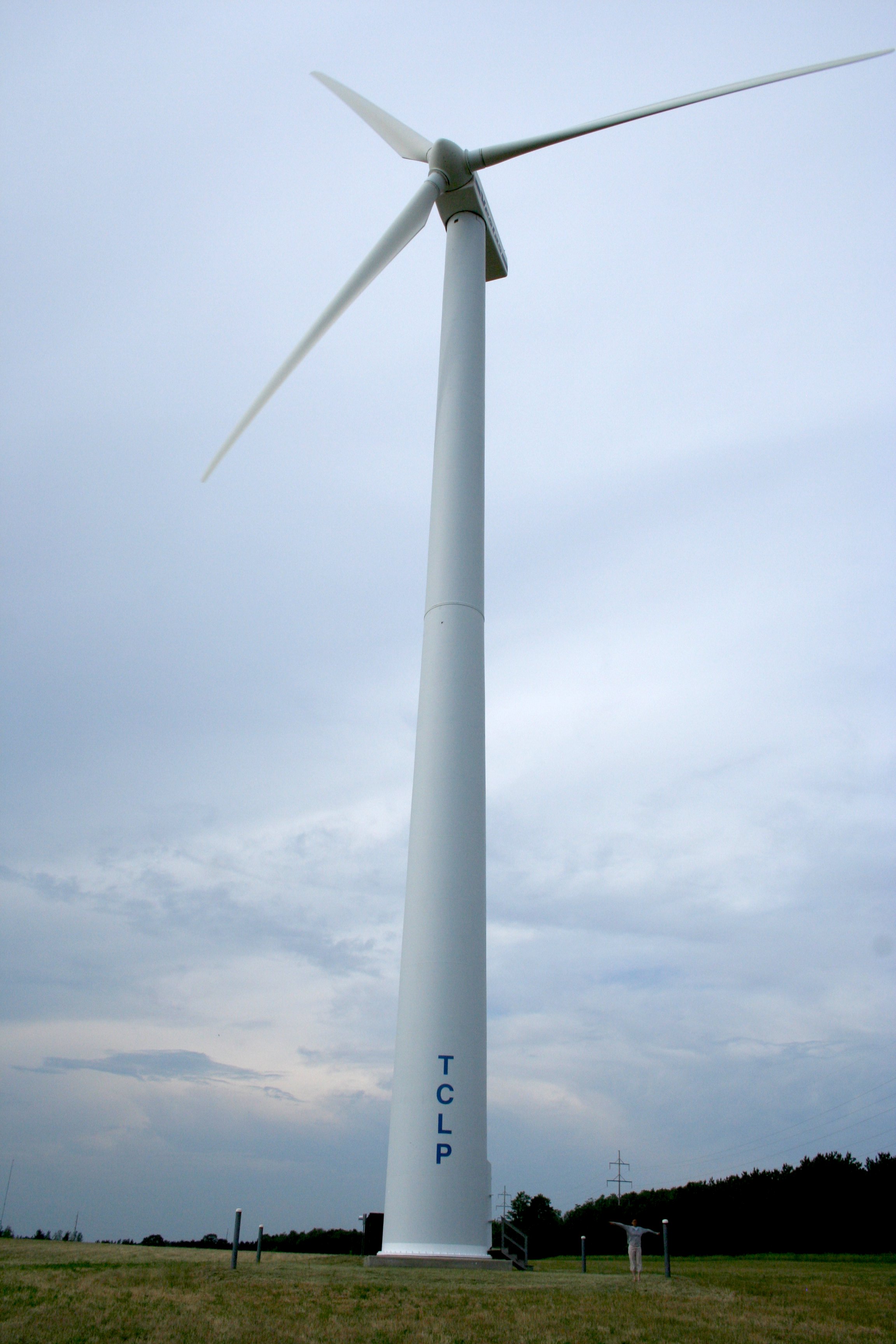
Wind turbine operators can now get permits to collect the dead birds and bats that are killed by wind turbines. Photo: Wikimedia Commons

Wind turbine operators can now get permits to collect the dead birds and bats that are killed by wind turbines. Photo: Wikimedia Commons

By Howard Meyerson

Lansing, MI – Michigan wind farm operators looking to assess the wildlife impacts of their operations by collecting the carcasses of birds and bats killed or injured by wind turbines can now get a state wildlife salvage permit to do so.

State “scientific-collector” permits were previously available only to scientific, academic, non-profit and educational groups for salvage, research, live animal programs or bird banding. But state officials sought to expand the program after getting requests from the wind-power industry. The change was approved at the April Natural Resources Commission meeting.

“They will have to report their findings to us,” said Russ Mason, Michigan Department of Natural Resources’ wildlife chief.  “The information would then be public.”

A salvage permit is not required when the wind farm is built on private land, Mason said.  But it will be available to those operators in order to facilitate the collection and analysis of wildlife deaths caused by wind turbines. They would be required for public land wind projects were one ever to be approved. Continue reading

Posted in Uncategorized | Tagged , , , , , , , , , , , | Leave a comment

U.S. plans to drop gray wolves from endangered list

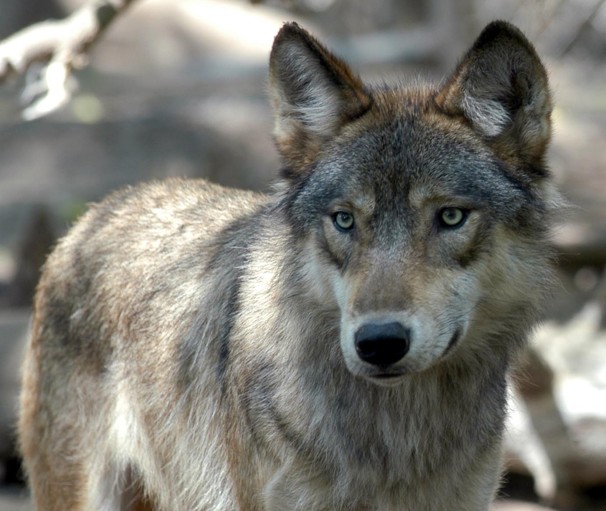
The U.S. Fish and Wildlife Service intends to remove the gray wolf exchange_wolf_trapping_095dffrom the endangered species list all across the lower 48 states. The decision will result in individual states taking over management of the wolves, according to a story today in the LA Times, which acquired a draft copy of the rule.

The Times story reports that the species is only beginning to recover in California and the Pacific Northwest. Gray wolves have flourished in other states. The federal agency lifted protection last year for wolves in the northern Rockies and Great Lakes region.

Read more: U.S. plans to drop gray wolves.

Posted in Uncategorized | Tagged , , , , | Leave a comment

Spring steelhead: Anglers full of anticipation

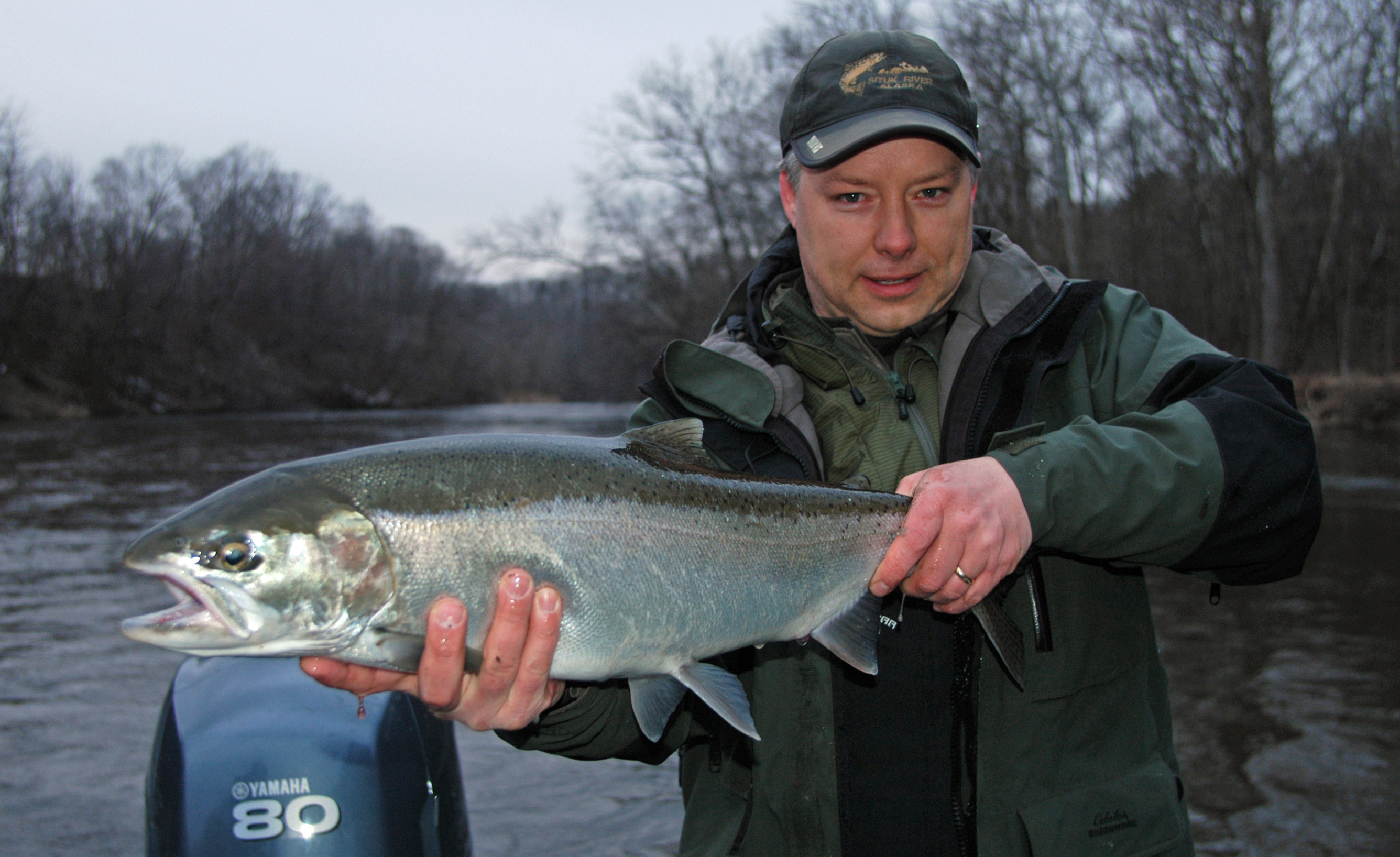
Aaron Kamphuis, of Rockford, hoists up a nice silver steelhead caught on the Muskegon River.

Aaron Kamphuis hoists up a nice silver steelhead caught on the Muskegon River. Photo: Howard Meyerson

By Howard Meyerson

GRANT, MI — Anticipation is always a big lure when fishing, particularly as the seasons change from winter to spring. Fresh steelhead runs show up on many Michigan streams and this particular morning was no exception.

Captain Terry Weiler was doing what he does best, deftly positioning his nearly 18-foot Rivermaster on the Muskegon River so our spread of lures would cover the water. We were looking to entice one of the fresh fish that had come upriver to spawn.
And, it wouldn’t be long before one cooperated.

“Nice fish,” someone said as Aaron Kamphuis began reeling it in. Weiler set the anchor, dropped his oars and grabbed a landing net. It was 7:30 a.m. Things were looking good.
Kamphuis, an avid angler from Rockford, beamed as he held up a nice silvery, six-pound female for all to see. It was a good-looking fish and one of three we would boat on a cold, gray day that threatened rain. Continue reading

Posted in Uncategorized | Tagged , , , , , , , , , , , | 2 Comments

Spring Birding Festivals: Plenty to see and do

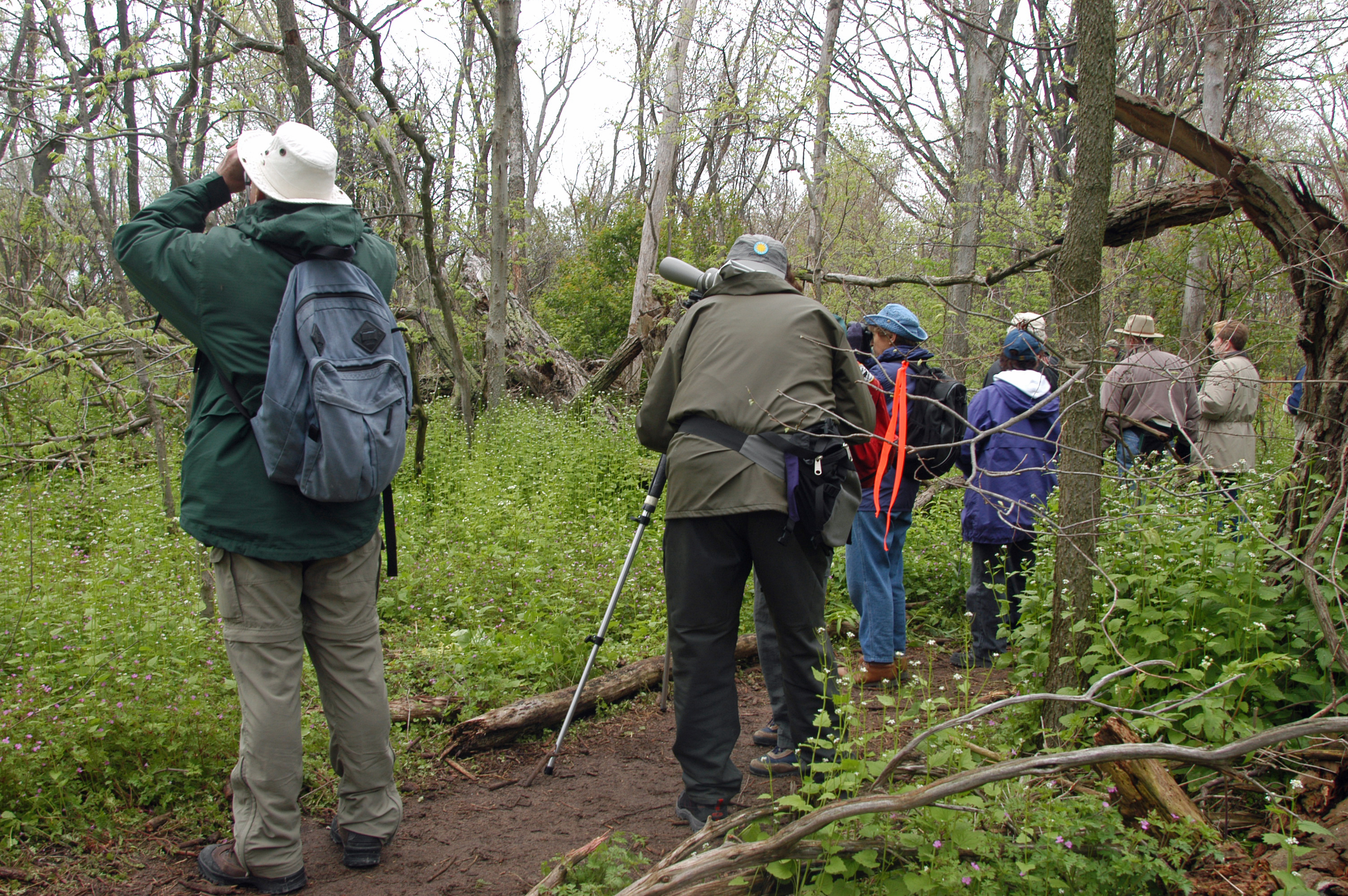
Birdwatchers spread out on the boardwalk at Point Pelee National Park in Leamington Ont. Photo: Howard Meyerson

Birdwatchers enjoy spring birds at Point Pelee National Park in Leamington Ont. Photo: Howard Meyerson

By Howard Meyerson

Chilean-born biologist Alvaro Jaramillo thinks bird watchers can get too hung up in their field guides and miss opportunities to really see the birds they are watching. Bird recognition, he says, takes place in a part of the brain, the fusiform gyrus, where face recognition takes place.

Blink. That’s a robin. That’s how it goes.

Improving identification skills requires seeing a bird holistically, not just the field markings highlighted in most birdwatching field guides.

“If you talk to expert bird watchers, they are not thinking about it. They recognize the entire sum of the parts,” said Jaramillo, senior biologist with the San Francisco Bird Observatory, author of the book “Birds of Chile,” and the keynote speaker at the 2013 Tawas Point Birding Festival scheduled for May 16-19 in Iosco County.

“The key is to get more experience, to see birds more and have them become embedded in your consciousness,” said Jaramillo, also an expert on North American birds.

Alvaro Jaramillo will discuss how birders can improve their bird-identification skills. Courtesy photo

Alvaro Jaramillo will discuss how birders can improve their bird-identification skills. Courtesy photo

“As a community of bird watchers, we really have it in our heads to always carry a bird book and think about field marks. But in a sense that keeps people from moving to the next level. New birders are so busy looking at the book and the arrows (that point out markings on birds) that they are not looking at the bird and how it moves.”

Watching birds in the backyard is a great way to get started, Jaramillo said. It doesn’t take looking for a California condor. The secret, he said, is doing it daily, letting those visual impressions become embedded.

“Common birds are the ones that train the brain to be ready for unusual birds,” Jaramillo said. He will present more on the topic in his keynote talk at 6 p.m. on May 17 at the Tawas Bay Beach Resort, an event that is open to the public. Jaramillo also will teach a class on the “Natural History of the Thrush Family” on May 18 and lead a private tour of Tawas Point State Park. Continue reading

Posted in Uncategorized | Tagged , , , , , , , | 2 Comments