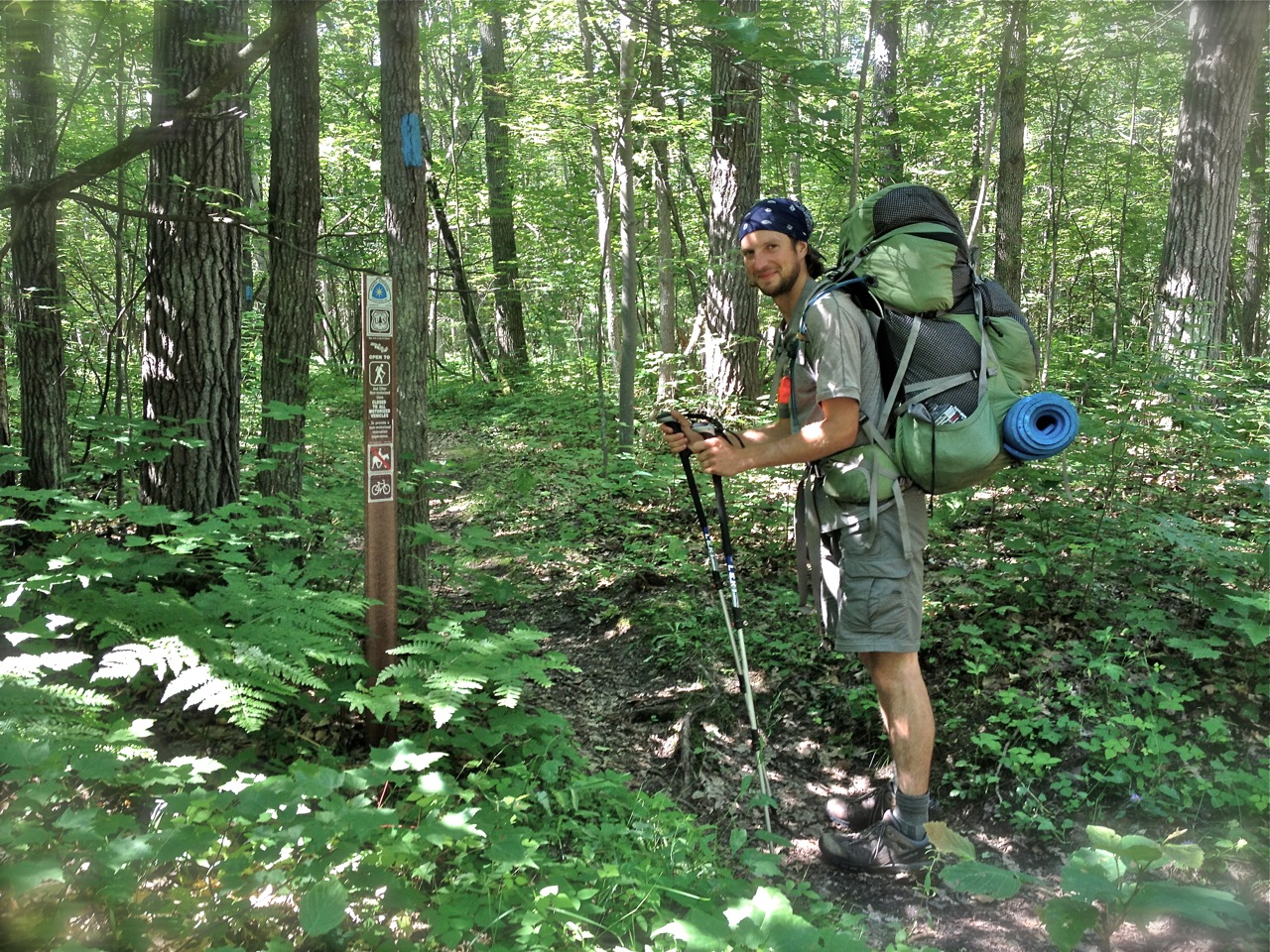
Young hiker walks North Dakota to New York on North Country Trail

Luke Jordan pauses while hiking the North Country Trail. Photo: Beth Keloneva.

Luke Jordan pauses while hiking the North Country Trail. Photo: Beth Keloneva.

By Howard Meyerson

John D Rockefeller, the American industrialist once said: “I do not think that there is any other quality so essential to success of any kind as the quality of perseverance. It overcomes almost everything, even nature.”

He might have been talking about 23-year-old Luke “Strider” Jordan, the good-natured Minnesota hiker now walking the entire 4,600 mile North Country National Scenic Trail.

Jordan set out from North Dakota in March and endured six-weeks of unseasonably deep snow, hiking on snowshoes. There were days he woke and found his tent, shoes, food and water frozen.

Jordan set off on his six-and-a-half month trek as a sort of personal pilgrimage, needing to clear his head after graduating college with a degree in ecology and natural resources.

He didn’t expect to suffer heat exhaustion in Michigan’s Upper Peninsula, or be ravaged by record-high mosquito populations in those north woods. He never figured to get lost in the Ottawa National Forest; or that swollen and miserable from countless mosquito bites, he would resort to barricading himself in an outhouse one day to have a peaceful meal rather than feed more bugs. Continue reading
Posted in Uncategorized | Tagged , , , , , , , , , , | 3 Comments

Making Life Better for Birds: Peg and Tom Comfort

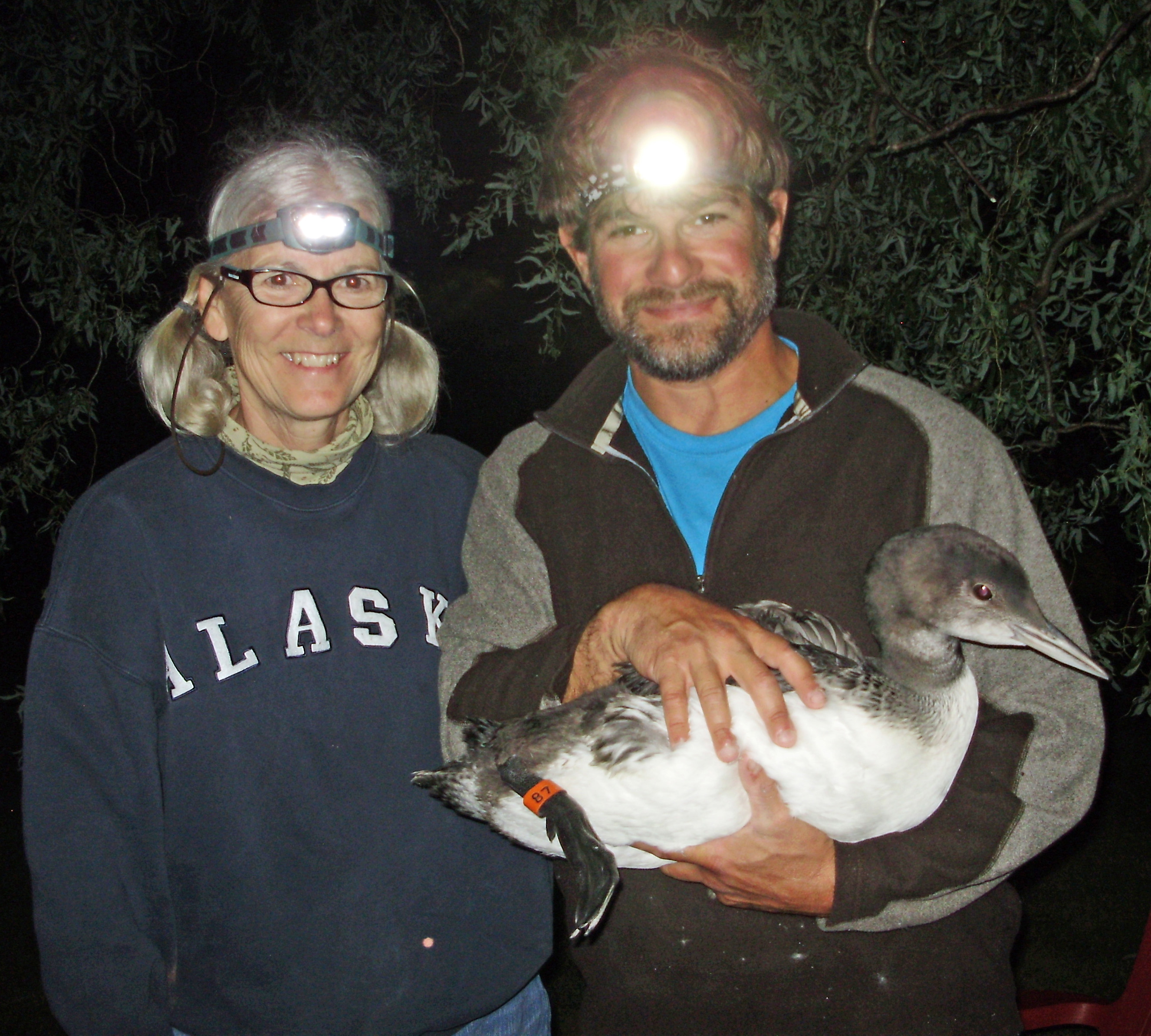
Peg Comfort and Joe Kaplan banding loons in Elk River Chain of Lakes Watershed. Photo: The Loon Network

Peg Comfort and Joe Kaplan banding loons in Elk River Chain of Lakes Watershed. Photo: The Loon Network

By Howard Meyerson

Tom and Peg Comfort have a lot in common: an appreciation of natural places, a love of Torch Lake where they make their home and a strong dedication to making life better for birds, loons and bluebirds most especially.

The Comforts, now in their 60’s, grew up in an era when environmental activism was in its infancy and when Jack Kerouac, the American novelist and poet, assailed the imaginations of young idealists all over the country. Peg Comfort grew up in Chicago. Tom Comfort grew up there too. Each today is involved in exacting work to help their favorite bird populations.

“I think globally and act locally” said Peg Comfort, president of White Pine Associates, an environmental consulting firm. She is also founder of The Loon Network, loonnetwork.org, a project of Michigan Audubon Society and a public forum about loons nesting in the Elk River Chain of Lakes Watershed. The Network covers a 500-square-mile area in Charlevoix, Antrim, Kalkaska and Grand Traverse Counties where nine of 14 lakes now support nesting loons.

“They are beautiful and their calls are haunting; it’s the call of the wilderness,” Peg Comfort said. She has banded 40 of the watershed’s loons in an effort to help researchers track the population, and works to educate the public about how to protect nesting loons since they are sensitive to disturbance on the water.

“One of the biggest problems is that people drive loons off their nests chasing them. People like to see them dive,” Peg said. “Kayakers can get in even closer than fishing boats. What paddlers don’t realize is when a loon makes a yodeling call, or flaps its wings, they are saying: ‘Stay away. You’re too close.’” Continue reading

Posted in Uncategorized | Tagged , , , , , , , , , , , , , , , | 2 Comments

Lake Huron Brown Trout Program Scrapped

Brown trout stocking on Lake Huron has not produced the hoped for results. Photo: US Fish & Wildlife Service.

Brown trout stocking on Lake Huron has not produced the hoped for results. Photo: US Fish & Wildlife Service.

By Howard Meyerson

ROGERS CITY, MI –  Five years into a 6-year experiment to determine whether the Lake Huron brown trout fishery can be restored – by stocking the lake with large hatchery-raised yearlings – state fisheries managers have concluded it’s time to cut bait.

“It isn’t working,” said Todd Grischke, Lake Huron basin coordinator for the Michigan DNR. “We will not be moving forward with the fall-yearling program in the future.”

Support for that conclusion was nearly unanimous among members of the state’s Lake Huron Citizens Advisory Committee, a group of anglers convened by the DNR, which was presented with the study findings in June.

“It’s always hard to say it doesn’t work; let’s move on,” said Frank Krist, an angler from Rogers City and the committee chairman. “But people could see it wasn’t working. It’s better that we look to other areas and see how that hatchery space might be used.” Continue reading

Posted in Uncategorized | Tagged , , , , , , , | 7 Comments

Bangor/South Haven Heritage Water Trail Nearly Finished

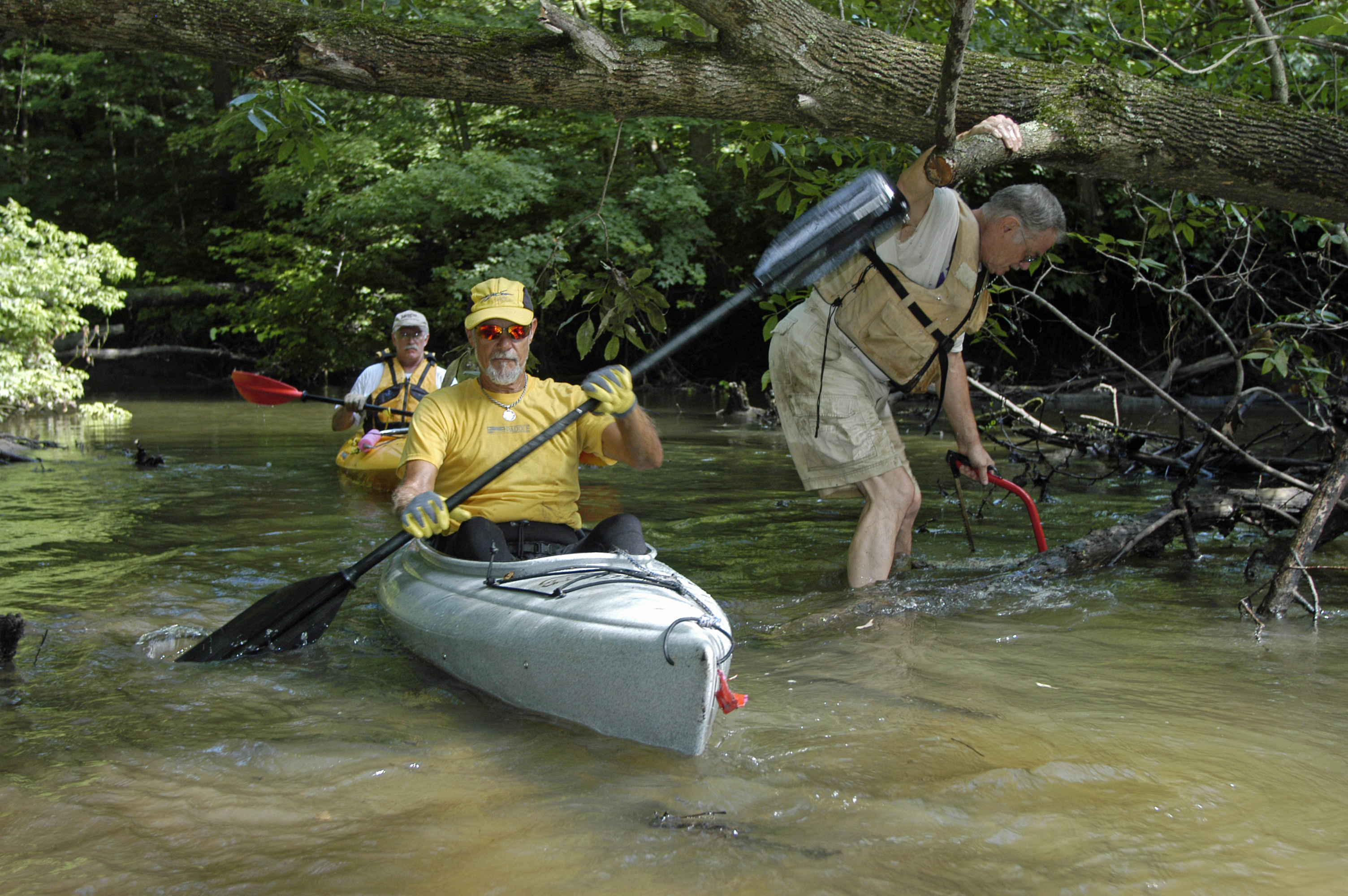
Association members Bill Hoenes, center, and Bill McKinney, back, paddle past Dick Curtis while he works to clear a segment of the water trail on the Black River. Photo: Howard Meyerson

Association members Bill Hoenes, center, and Bill McKinney, back, paddle past Dick Curtis while he works to clear a segment of the water trail on the Black River. Photo: Howard Meyerson

By Howard Meyerson

SOUTH HAVEN, MI – It’s been eight long years since work began on the Bangor/South Haven Heritage Water Trail, the 21-mile canoe and kayak route down the South Branch of the Black River between the two cities, but organizers for the ambitious project say the last portion of the route may finally be opened this summer.

“We’re going to push extremely hard and hope to make it through what we call the wilderness section,” said John Mitchell, president of the Bangor/South Haven Heritage Water Trail Association. “It’s a four-mile stretch and there are no roads. We hired a team of chainsaw guys and they were in there once and made it about a third of the way. It’s a continuous battle to get in there.”

The battle has been one of cutting a passable route through the gauntlet of downed bangor_south_haven_heritage_water_trail3.pdftrees, some very large, some piled up thick. The natural condition along a river corridor was neglected for nearly 40 years before the project began.

Mitchell and the association’s other volunteers have cleared 17 miles above and below the so-called wilderness section, taking it upon themselves to paddle in with saws and a boatful of determination and grit. The work parties, made up of men and women, have gone out on steamy summer days and in the rain. They’ve waded into tangles all along the river corridor, cutting branches, pulling logs sometimes sawing paddle-routes through massive tree trunks. Continue reading

Posted in Uncategorized | Tagged , , , , , , , , , , , | Leave a comment

Michigan’s Newest Shipwreck Museum: West Michigan Underwater Preserve

John Hanson diving on The State of Michigan shipwreck in the West Michigan Underwater Preserve. Photo: Paul Chase

John Hanson diving on The State of Michigan shipwreck in the West Michigan Underwater Preserve. Photo: Paul Chase

By Howard Meyerson

WHITEHALL, MI – In the calm waters of Lake Michigan, north of White Lake, John Hanson emerged from the depths, his form taking shape in the bubbles that preceded him.

Hanson broke the surface and reached for a ladder rung. Then the 59-year-old scuba diver from Montague climbed up on deck and announced his find: the Interlaken, a 170-foot wooden schooner. It had foundered and sunk in a fierce Lake Michigan storm in 1934.

“I’ve never seen it like that,” Hanson said excitedly. “Much more is exposed than five or six years ago. I went down the entire length of it. It was really cool.”

The Interlaken hull lies in 15 feet of water, much of it under sand. It was once a handsome three-masted cargo ship, built in 1839 by the Abram Smith and Sons shipyard, of Algonac, on the St. Clair River.

Today it is one of a dozen charted shipwrecks in the 400-square-mile West Michigan Underwater Preserve (WMUP), our state’s newest underwater museum. The Preserve was dedicated in 2012 and is open to the public. Hanson, an experienced wreck diver, is chairman of the Preserve’s board of directors.

The Preserve is one of 14 found on lakes Michigan, Huron and Superior. All are part of Michigan’s Underwater Preserve System. The state program was created in 1980 by legislation with support from Michigan sport divers who were concerned about protecting maritime antiquities.

State officials estimate as many as 6,000 vessels have gone to the bottom of Lake Michigan and other Great Lakes. Approximately 2,000 are located in Michigan waters. It is illegal to remove artifacts from the sunken ships. Information about the shipwreck sites is available at michiganpreserves.org. Continue reading

Posted in Uncategorized | Tagged , , , , , , , , , , , | Leave a comment

Anglers brace for changes to Grand Rapids’ unique urban fishery

Will bringing the rapids back to Grand Rapids be a boom or bust scenario for this Midwest city, the second largest in the state of Michigan?  The answer is different depending on who is talking.

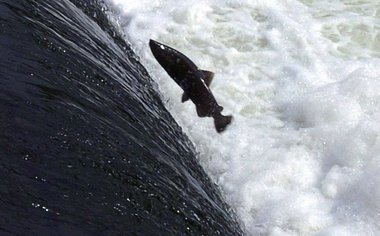
Local Jumping the dam at 4th St. on the Grand Riverwhitewater enthusiasts pushing for the creation of a whitewater course on the Grand River in downtown Grand Rapids,  and restoration of the historic rapids there by removing or modifying a large dam,  say the benefits are plentiful, economically, socially and for the popular fishery there. But anglers who know the river are not in full agreement. And then there is the issue of sea lamprey and keeping them out of the state’s largest river system.

A story today on MiBiz discusses the pros and cons and the economic values in play with the proposed change. Read more: Restoring the Rapids

Posted in Uncategorized | Tagged , , , , , , , , , , | Leave a comment

Early season goose, other waterfowl regulations proposed.

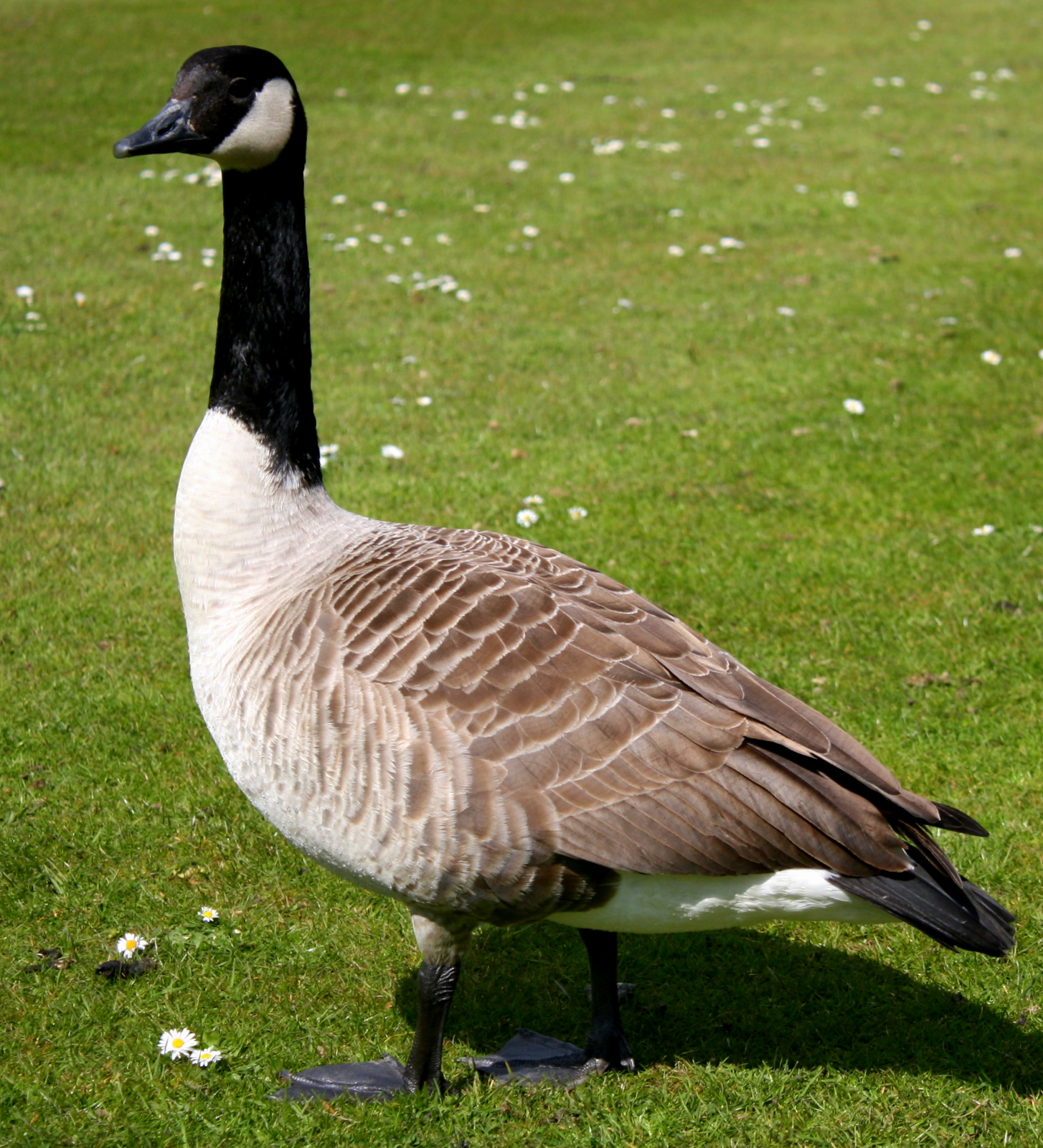
Early goose hunting season would open September 1 as usual.  Photo: Wikimedia Commons

Early goose hunting season would open September 1 as usual. Photo: Wikimedia Commons

By Howard Meyerson

Goose hunters looking to get a jump on the fall season can anticipate starting the first day of September if a package of early season rules is approved by the Natural Resources Commission when it meets in July. The commission considered the changes at its June meeting in Lansing where state wildlife officials proposed opening the early Canada goose season again on September 1.

“We recommended no changes,” said Barb Avers, waterfowl specialist for the Michigan Department of Natural Resources. “We saw pretty good goose production last year which should equate to having a good Canada goose season.”

The proposed early season would run through September 10 in the Upper Peninsula and Huron and Tuscola counties. The season would be open until September 15 in the remainder of the state.

The proposal seeks four regulation changes, according to Avers. All had been discussed with the members of the state’s Citizen Waterfowl Advisory Committee, a sounding-board group of 20 waterfowl hunters from different regions that review and discuss proposed waterfowl regulations. Continue reading

Posted in Uncategorized | Tagged , , , , , , , | 2 Comments

Michigan Trails: New UP trail celebrates iron heritage; other trail works planned

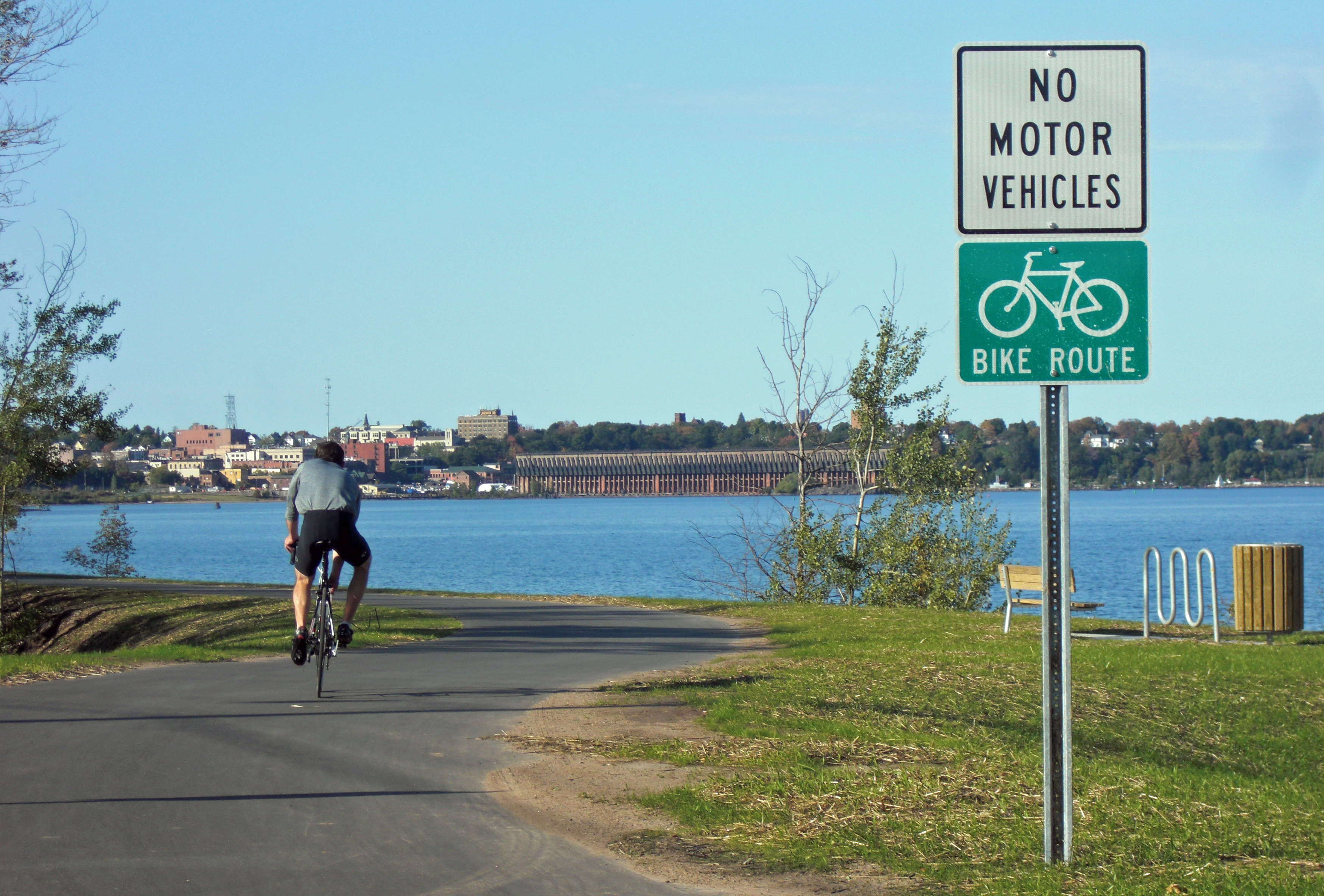
The Iron Ore Heritage Trail offers cyclists a view of the old ore dock in Marquette and other iron-era sights. Photo: Barbara Nelson-Jameson

The Iron Ore Heritage Trail offers cyclists a view of the old ore dock in Marquette and other iron-era sights along the route from Chocolay Township to Republic. Photo: Barbara Nelson-Jameson

By Howard Meyerson

Cyclists who plan to ride Upper Peninsula trails this summer might want to make a stop in the Marquette area where an interesting rail-trail project will be dedicated with a ribbon-cutting ceremony on August 15.

A new 12-mile section of the Iron Ore Heritage Trail, between Marquette and Negaunee, will be open for riding and connect the towns, giving cyclists a 29-mile route from Chocolay Township, east of Marquette, all the way to Ishpeming.

That is more than half of the 46-mile route planned from Chocolay to Republic when it’s finished, a ride through some great Upper Peninsula countryside.

“People are very excited about it. This is a big piece of trail that will connect two population centers,” said Carol Fulsher, the administrator for the recreation authority that was created to administer the trail. The dedication, she said, will take place at 3 p.m. at the Old Towne Trailhead in Negaunee.
The Iron Ore Heritage Trail  runs through iron country, better known as the Marquette Iron Range, a portion of the UP where iron mining historically was big business and where its presence impacted the land and people of the area. Continue reading

Posted in Uncategorized | Tagged , , , , , , , , , , , , | Leave a comment

Antler point restrictions approved for part of Lower Peninsula

Fork-horns like buck will have to be passed up when hunting Michigan's northwest Lower Peninsula. Photo: Dave Kenyon, MDNR

Fork-horns like buck will have to be passed up when hunting Michigan’s northwest Lower Peninsula. Photo: Dave Kenyon, MDNR

By Howard Meyerson

Lansing — Deer hunters planning to hunt bucks in northwest Lower Michigan this fall will need to look closely before they pull the trigger. A new mandatory antler point restriction was approved by the Natural Resources Commission in June for 12 counties in the northwest Lower Peninsula.

Hunters will be allowed to shoot only bucks with at least three or more 1-inch points on  one antler. The rules specify that the first buck has to have three points or more on a side. An antler on a second buck has to have four points or more.

The new rules affect Antrim, Benzie, Charlevoix, Emmet, Grand Traverse, Kalkaska, Lake, Manistee, Mason, Missaukee, Osceola, and Wexford counties. They go into effect this fall and stay in place for five years. Leelanau County, also in the region, already has antler point restrictions, for a total of 13 counties.

“It pretty much covers the entire northwest region of Zone 2. We were very pleased with the final decision,” said Ryan Ratajczak, president of the northwest Michigan branch of the Quality Deer Management Association. “The data we collected indicated that seven out of 10 hunters (surveyed) want the regulations. We’re glad the NRC supported the process and followed through with approving it.” Continue reading

Posted in Uncategorized | Tagged , , , , , , | 6 Comments

Sturgeon Restoration: DNR plans streamside rearing station on Muskeon River

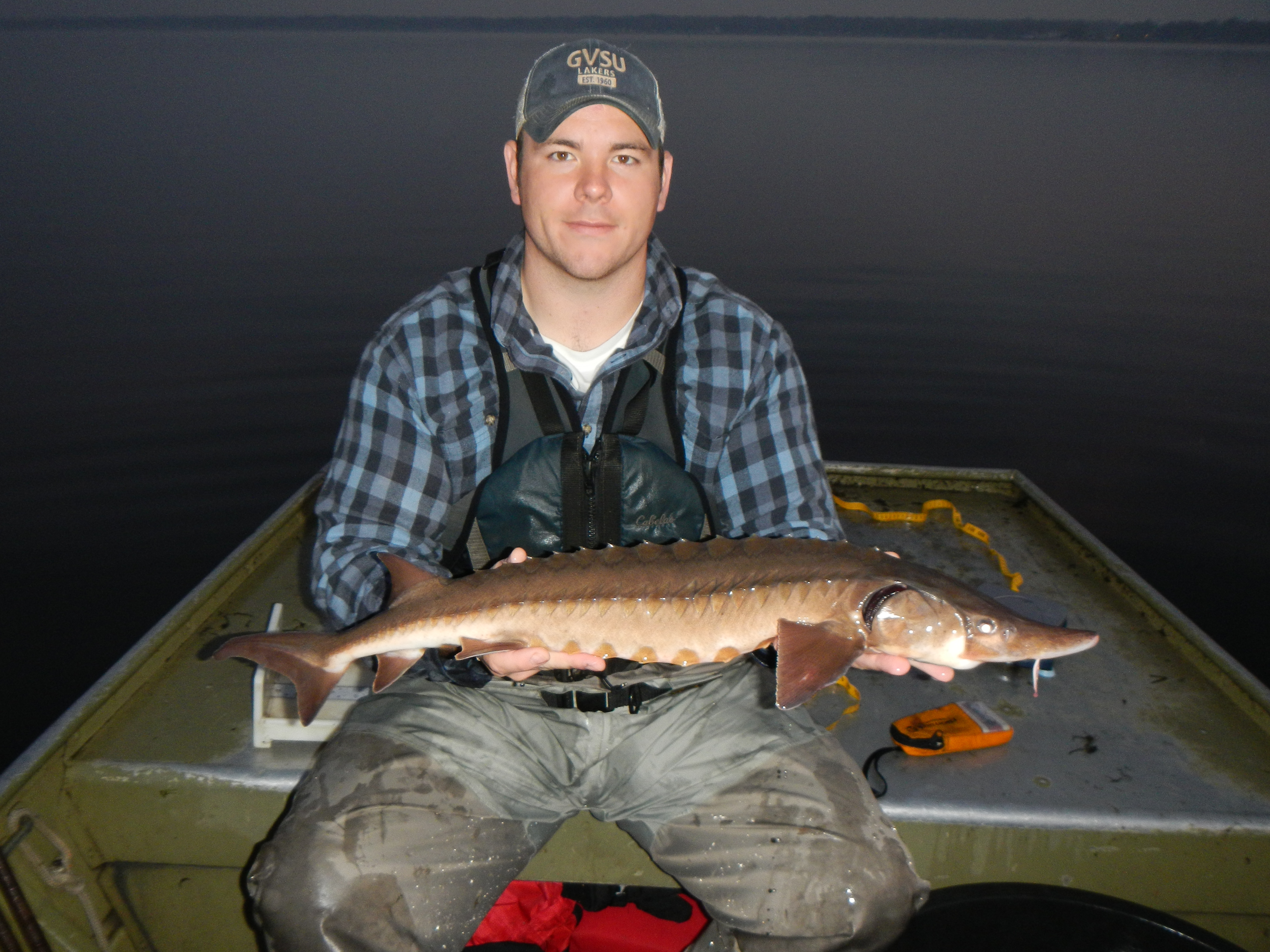
Grand Valley State University grad student, Brandon Harris holds up a Muskegon Lake sturgeon that was netted as part of the research being conducted to determine the size of the population there. Photo: Brandon Harris

Grand Valley State University grad student, Brandon Harris holds up a Muskegon Lake sturgeon that was netted as part of the research being conducted to determine the size of the population there. Photo: Brandon Harris

By Howard Meyerson

MUSKEGON, MI — It is hard to imagine the era on Lake Michigan when Great Lakes sturgeon were abundant, a period when these great, large and unusual fish swam freely in our waters, ran up our rivers to spawn and fed with little consequence.

During those unencumbered years so long ago, their numbers were high; the males often lived to be 50 or more years old, and females lived more than 100 years.

Scientists say they know of 95 historic sites in the Great Lakes basin where lake sturgeon once spawned.

That’s not so any more. Forty-three of those are gone, the result of dam construction and habitat loss. Sturgeon numbers also were reduced by the effects of pollution, historic over-harvest by anglers and slaughter for no other reason than having become a nuisance to commercial anglers with nets.

Old monochrome photos of them stacked up like cordwood are unflinching. Fortunately state, federal and tribal scientists today, with the help of grass-roots support, are working to restore the native lake sturgeon population.

On Lake Michigan, the most recent project takes place on the Muskegon River where a streamside rearing station will be built and come online in 2014. Continue reading

Posted in Uncategorized | Tagged , , , , , , , , , | Leave a comment