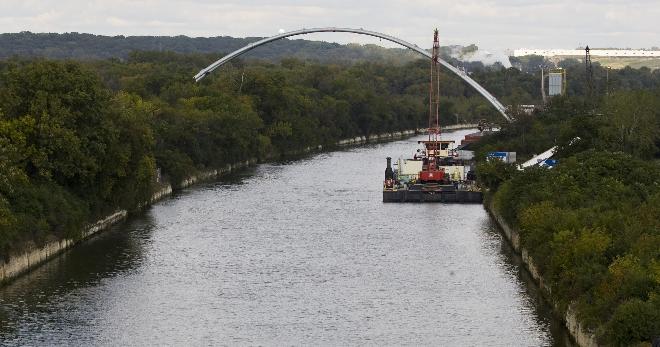
Asian carp barrier near Chicago had power failure

Two electric barriers near Chicago that are used to keep Asian carp out of Lake Michigan lost power for 13 minutes last week, the Milwaukee Wisconsin Journal Sentinel reported today on JS online. The incident was the second time the barriers were without power. The first outage occurred in 2010. No carp are thought to have passed through during the power outage. Read more: Asian carp

Posted in Uncategorized | Tagged , , , | Leave a comment

Hybrid bears offer glimpse of warmer Arctic’s future

Shifting climate patterns seem to be having an impact on bears, polar bears and grizzly bears in particular, the Edmonton Journal reports today in a story about hybrid bears being discovered in the Arctic. A University of Alberta researcher recently came across two young cubs. One appeared grizzly-like and the other more like a polar bear.

“I guess we can expect more of these hybrids as the population of grizzly bears continues to grow in this part of the world,” UA scientist, Andrew Derocher wrote in an email that was reported by the Journal. “Grizzlies in the High Arctic were rare until about 20 years ago; a quirk of nature,” the story said. Read more: Arctic’s future.

Posted in Uncategorized | Tagged , , , , , , | Leave a comment

What’s Our Burden as More Experienced Kayakers?

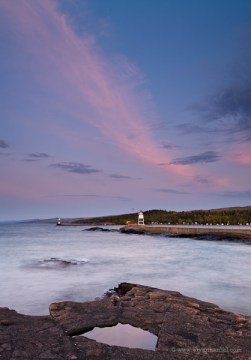
Photo: By Bryan Hansel.

Should you offer help or advice to strangers you find that are out of their depth on the water? That’s a question that Minnesota-based kayaking guide and instructor, Bryan Hansel asks in his latest blog post on PaddlingLight.com .

What do you do if they don’t listen? What if they are at risk? Or, is it even your problem?

As a former outdoor educator and trip leader, I  understand the question. Life is full of risks. We take them. We learn. Sometimes we don’t. The answer is different in each circumstance.

Bryan’s piece is  a good read. It’s followed by some discussion.  See: What’s Our Burden?

Posted in Uncategorized | Tagged , , | Leave a comment

Do bears scratch their butts…um, backs?

If you’ve ever wondered what bears do when you aren’t looking, check this out. It’s a pretty funny clip and a good counterpoint to the tragic end of the “falling bear” in the previous post.

Posted in Uncategorized | Tagged , , , , , , | Leave a comment

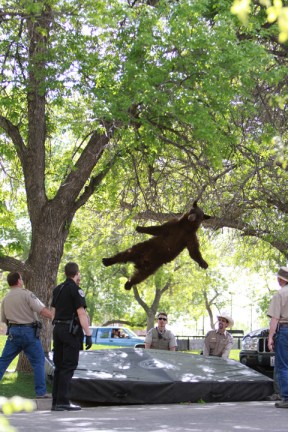
Falling bear killed: Colorado bear removed from University of Colorado-Boulder campus is dead

Falling bear killed: Colorado bear removed from University of Colorado-Boulder campus is dead - chicagotribune.comIf ever there was a case to illustrate the problem of black bears becoming habituated to the human environment, the “falling bear”  immortalized on the Web a week ago is it. The Chicago Tribune reports today the bear was killed in a car accident.

The 280-pound male black bear was tagged and released in a wildlife area 50 miles from Boulder, Colorado, where it had climbed a tree on the University of Colorado at Boulder campus. Animal control officers tranquilized the bear to get it down.

This bear found its way back, so strong was its connection to the city. It was struck by two cars and killed on the highway 2.5 miles from the campus.


Posted in Uncategorized | 1 Comment

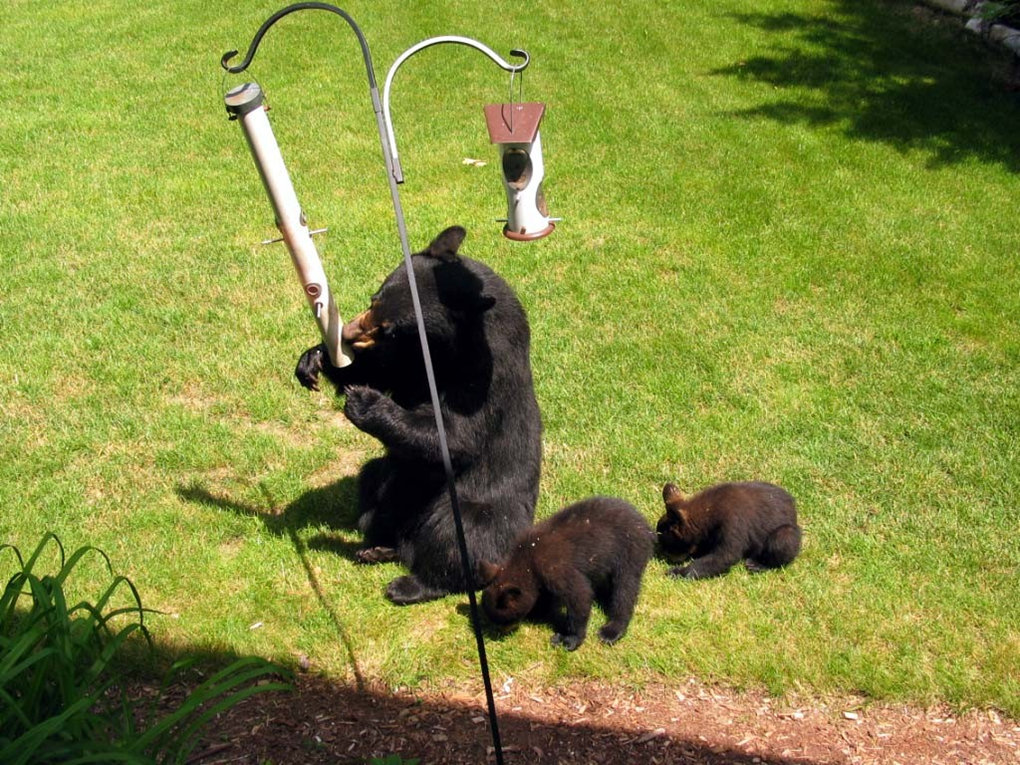
Backyard Bears: Trouble can be avoided by moving feeders

Feeders can attract bears which can then become a nuisance.

Looking to see a Michigan black bear?  Look no further than your backyard. That’s become the norm in more and more locations around the state.

State officials report that Michigan’s black bear population is spreading south into heavily populated areas while more folks are moving north into bear country. This is the time of year bears come out of dens looking for food. Birdfeeders are a common attractant. Their contents offer a high-energy fix for bears. Continue reading

Posted in Uncategorized | Tagged , , , | 1 Comment

Birding Festivals: Kirtland’s warbler Bahamas connection a highlight at Tawas Point

By Howard Meyerson

kwarb.JPG

Dave Ewert isn’t the first to say that the recovery of Michigan’s Kirtland’s warblers has been phenomenal or that 2011 was a record year for the endangered bird.

That’s when state and federal biologists, researchers and volunteers observed 1,805 singing males, up from 1,747 in 2010.

Both counts are well above the state’s recovery goal of 1,000 breeding pairs and light-years beyond historic lows in 1974 and 1987, when 167 singing males were found.

But when Ewert, the senior conservation scientist for the Nature Conservancy in Michigan, speaks at the annual Tawas Point Birding Festival, set for May 17-20, he will talk about an aspect of the warbler’s recovery that few get to hear — the Bahamas connection. On that he is an expert, having studied the warbler’s wintering behavior on the islands for nearly a decade. Continue reading

Posted in Uncategorized | Tagged , , , , , , | Leave a comment

Rollin on the river: Take a Stand(Up)

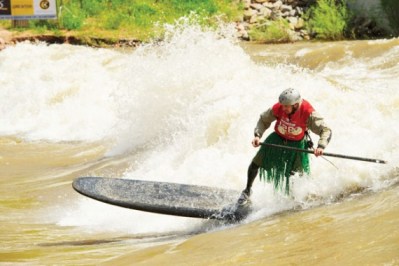
Whitewater was once the domain of paddlers;  serious whitewater the kingdom of playboats. That’s not the case any more.

Stand-up paddlers are showing up increasingly on rivers right along with  canoes and kayaks. And those with moxie are now pushing the gnarliest whitewater.

Here’s what’s happening at Glenwood Springs Whitewater Park in Colorado.

Read more:  Stand up

Posted in Uncategorized | Tagged , , , | Leave a comment

Yosemite study shows size (of big trees) matters

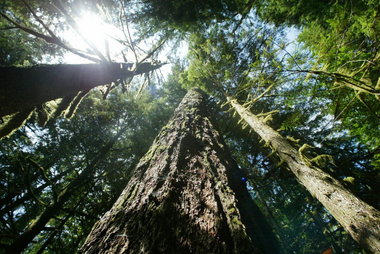
Big trees, aka old growth forests, have been found to be valuable for things beyond their aesthetic beauty and the habitat they provide for certain species like the spotted owl. A new study shows they also are valuable for the carbon they sequester. Read more: Yosemite study

Posted in Uncategorized | Tagged , , , , , | Leave a comment

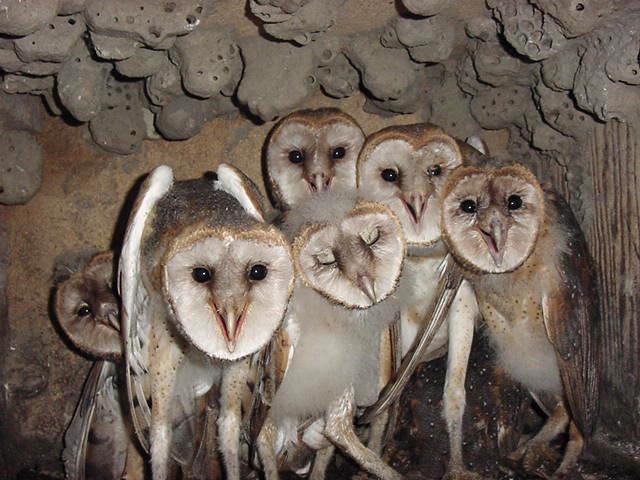
Family Time: A parliment of barn owls

Barn Owls

Photo: Marais des Cygnes National Wildlife Refuge in Kansas, U.S. Fish and Wildlife Service

Posted in Uncategorized | Tagged , , , , , | Leave a comment